Your jaw plays a role in speaking, chewing, yawning, and many other everyday activities. When the jaw joints and supporting muscles stop working comfortably together, finding the cause can help you choose the right TMJ disorder treatment.
At La Jolla Cosmetic Dentistry & Orthodontics, Dr. Kohani evaluates your jaw movement, muscles, teeth, and overall oral health before recommending care. Every patient is unique, so your treatment plan will reflect your anatomy, dental needs, and personal goals.
Table of Contents
- What Is TMJ Disorder?
- What Causes TMJ Disorder?
- How Teeth Grinding During Sleep Can Cause TMJ Disorder
- How Is TMJ Disorder Evaluated?
- What Dental Treatment Is Available for TMJ Disorder?
- Can TMJ Treatment Help Alleviate My Headaches?
- Why Choose a Customized Approach to TMJ Disorder Treatment?
What Is TMJ Disorder?
TMJ refers to the temporomandibular joint. You have one joint on each side of your head, where the lower jaw connects to the skull.
The lower jaw, called the mandible, is the only movable bone in the skull. The temporomandibular joints allow it to open, close, move forward, move backward, and shift from side to side.
TMJ disorder describes a group of conditions that affect the jaw joints, the muscles that control the jaw, or both. Because these structures work together, a problem in one part of the system can affect overall jaw function.
What Causes TMJ Disorder?
TMJ disorder does not always have one clear cause. In many cases, several factors may contribute to changes in the way the jaw joints and muscles function.
Possible causes or contributing factors may include:
- An injury involving the lower jaw or one of the jaw joints
- Repeated jaw clenching or teeth grinding
- Arthritis affecting a jaw joint
- Ongoing overuse of the chewing muscles
- Stress that increases jaw-muscle activity
- Changes involving the joint’s internal structures
A combination of physical, genetic, psychological, and lifestyle factors may influence why TMJ disorder develops or continues.
These factors make a detailed evaluation especially important. Dr. Kohani does not assume that every patient has the same underlying concern. Instead, the evaluation considers how your jaw joints, muscles, teeth, and dental history relate to one another.
How Teeth Grinding During Sleep Can Cause TMJ Disorder
Teeth grinding or clenching is known as bruxism. It may happen while you are awake or asleep, and many people do not realize they grind their teeth during the night.
Sleep bruxism repeatedly activates the muscles that move and stabilize your lower jaw. Over time, this activity may place added demand on the jaw system and contribute to TMJ disorder in some patients. Bruxism can also wear down the teeth, which may change the way they come together.
During your evaluation, Dr. Kohani can examine your teeth for signs of grinding and assess the muscles and movement of your jaw.
When grinding plays a role, a personalized nightguard may protect your teeth and support your treatment plan. A nightguard does not address every type of TMJ disorder, so Dr. Kohani will first determine whether one is appropriate for your needs.
How Is TMJ Disorder Evaluated?
An effective treatment plan starts with understanding which parts of the jaw system require attention. There is no single standard test that identifies every form of TMJ disorder, so dentists often combine a physical examination, dental evaluation, health history, and imaging when appropriate.
During your consultation, Dr. Kohani may:
- Discuss when and how your jaw concerns developed
- Examine the way your lower jaw moves
- Evaluate the muscles involved in chewing
- Look for evidence of teeth grinding or clenching
- Review the condition and alignment of your teeth
- Obtain detailed images with 3D digital CT technology
La Jolla Cosmetic Dentistry & Orthodontics uses cutting-edge technology to support detailed analysis and treatment planning. Dr. Kohani will explain the findings, design a customized treatment plan, and review the recommendations with you in person before treatment begins.
What Dental Treatment Is Available for TMJ Disorder?
The right dental treatment depends on what your evaluation reveals. TMJ disorder may involve the jaw joints, the chewing muscles, or more than one part of the system.
Starting with conservative and reversible options whenever possible is usually recommended. It is advisable to use caution with treatments that permanently alter the jaw joints, teeth, or bite when a clear dental need does not warrant those changes.
Personalized Nightguards
Dr. Kohani may recommend a personalized nightguard when sleep bruxism or clenching affects your teeth and jaw muscles. The appliance can create a protective barrier between the upper and lower teeth while helping manage the forces produced during grinding.
A professional nightguard differs from a standard store-bought mouthguard because its design accounts for your individual teeth and dental needs. Dr. Kohani will determine how the appliance fits into your broader TMJ disorder treatment plan.
BOTOX® for Jaw-Muscle Activity
Dr. Kohani may recommend BOTOX® when repeated muscle contractions contribute to jaw tension. BOTOX® temporarily reduces activity in selected muscles, which may help the jaw muscles rest more comfortably.
This option does not treat every cause of TMJ disorder. Dr. Kohani will evaluate your jaw-muscle activity and determine whether BOTOX® should serve as an individual treatment or support another form of care. The practice also offers combination treatment for patients whose needs involve more than one contributing factor.
Restorative Dental Treatment
Teeth grinding may gradually alter the shape of certain teeth. Missing, worn, or damaged teeth may also affect how dental forces move through your mouth.
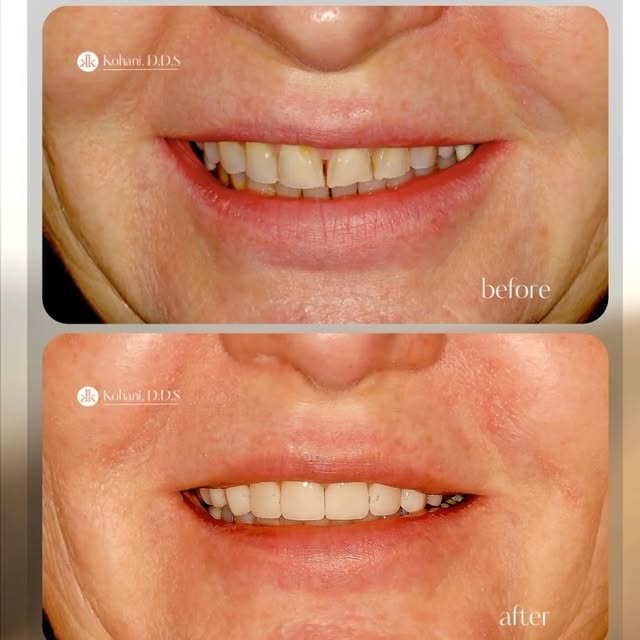
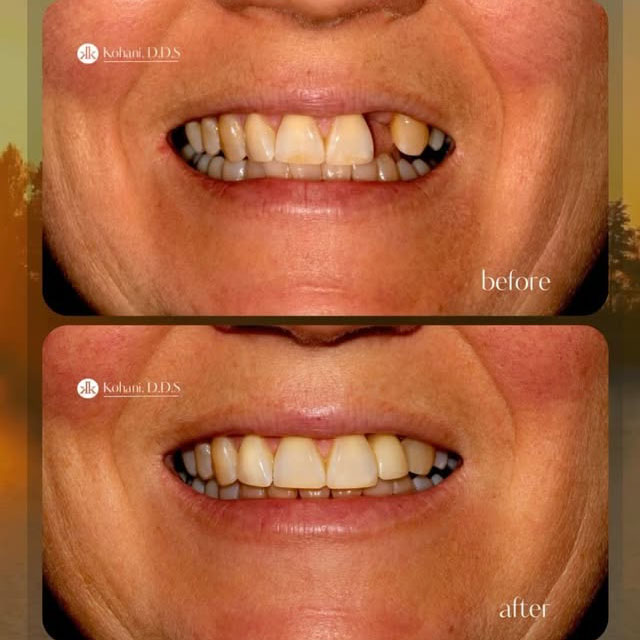
When Dr. Kohani identifies a separate restorative need, treatment may include ceramic crowns, a dental bridge, or dental implants. The purpose of restorative treatment is to address the confirmed dental concern while supporting healthy oral function.
Orthodontic Treatment
Braces or clear aligners may benefit patients with an orthodontic concern that requires treatment on its own. Orthodontics should not serve as a universal treatment for TMJ disorder.
Dr. Kohani will recommend orthodontic care only when the examination identifies a specific need, and the treatment supports your broader oral health goals.
Can TMJ Treatment Help Alleviate My Headaches?
TMJ disorder treatment may help alleviate headaches when jaw-muscle activity contributes to them. The muscles involved in chewing extend into the temple area, and repeated clenching or grinding may place additional demand on these muscles.
Headaches can also have many causes unrelated to the jaw. Dr. Kohani will not assume that every headache is caused by TMJ disorder. Instead, the evaluation will determine whether your jaw joints, chewing muscles, or grinding habits may be contributing.
Why Choose a Customized Approach to TMJ Disorder Treatment?
Every patient has a different jaw structure, dental history, muscle pattern, and set of treatment goals. A standard appliance or single treatment cannot address every possible cause of TMJ disorder.
La Jolla Cosmetic Dentistry & Orthodontics has served patients in San Diego since opening in 1991. Dr. Kami Kohani and Dr. Cameron Kohani combine personal attention, conservative dentistry, and advanced technology to create treatment plans that support oral health and natural function.
Dr. Kohani takes time to listen to your concerns and complete a detailed analysis before recommending care. You will then review the findings and proposed treatment in person, allowing you to understand your options before moving forward.
Learn More About TMJ Disorder in San Diego, CA
You do not need to select a treatment before you understand what may be affecting your jaw. A detailed consultation can help Dr. Kohani identify relevant factors and explain which options fit your individual needs.
To learn more about TMJ disorder treatment in San Diego, CA, contact La Jolla Cosmetic Dentistry & Orthodontics to request a consultation. Call (858) 281-0653 or fill out our online contact form to begin creating a customized treatment plan with Dr. Kohani.