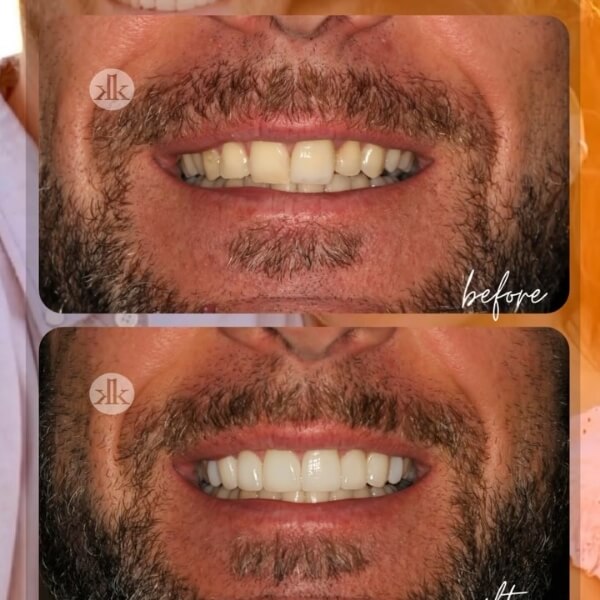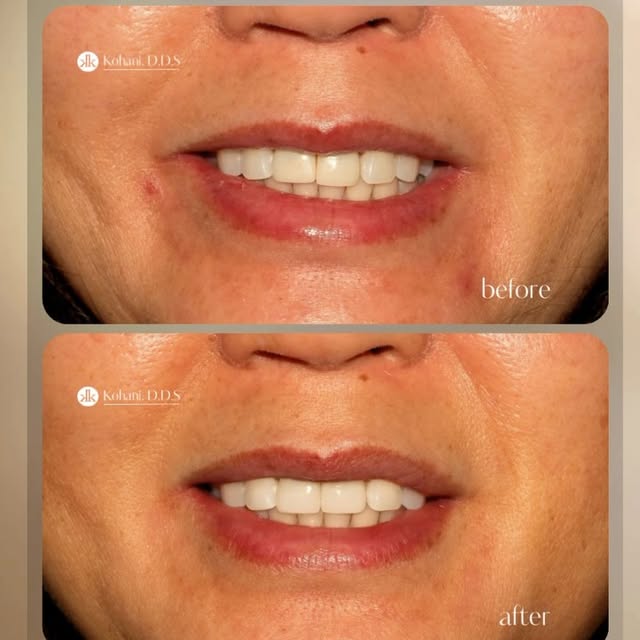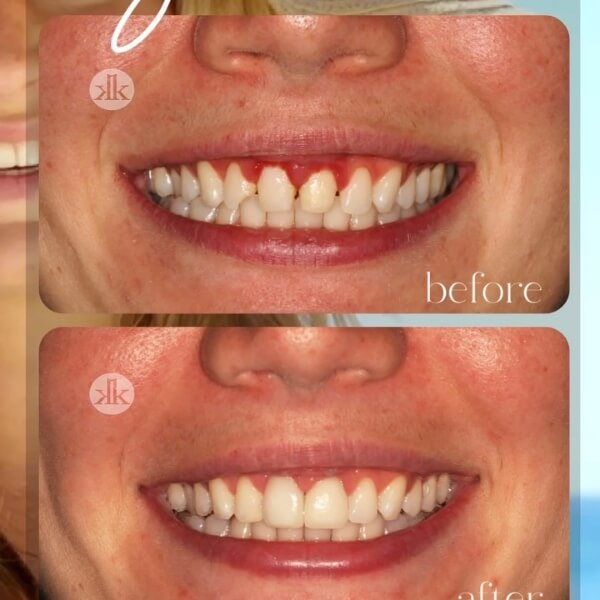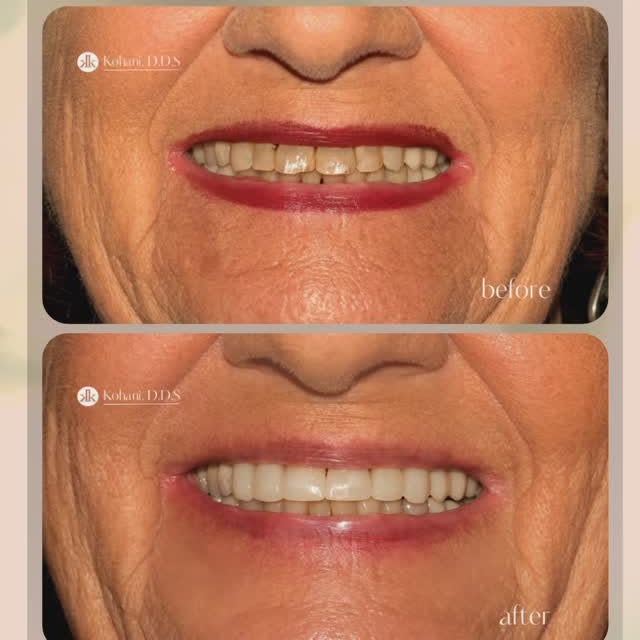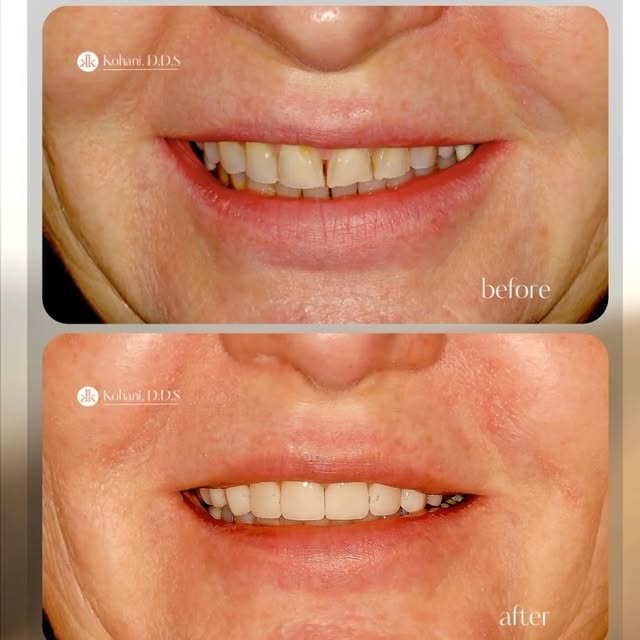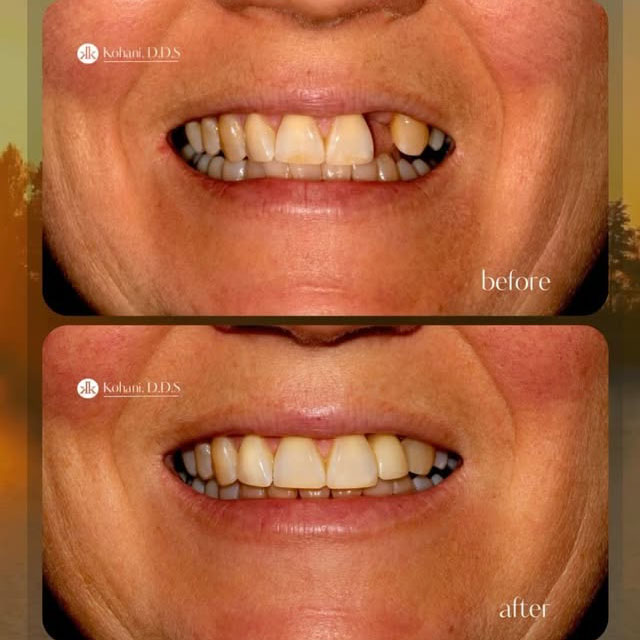
What could be worse than a smile filled with stained or chipped teeth? Dental veneers that produce a fake smile—or worse, make it difficult to talk or eat. In this blog, we discuss how to identify if you have bad veneers, the potential issues they can cause, and what you can do to enhance your smile after a negative experience.
What Are Dental Veneers?
Veneers are thin coverings that are placed over the front surface of your teeth to improve their appearance. They are usually made from composite materials or porcelain, tailored to each patient’s specific needs and budget.
Dental veneers can help hide:
- Gaps between teeth
- Stained teeth
- Chips and cracks
- Slight tooth misalignments
Sounds good, right? Except that veneers are really only as good as the skill of the cosmetic dentist. When an unskilled or inexperienced doctor handles your veneers, you may end up with more issues than when your natural teeth were bared for all the world to see.
Telltale Signs of Bad Veneers
How do you know if your veneers are not quite right? You may be able to tell the minute you look in the mirror. Perhaps your smile looks fake or unnatural. Maybe you’ll notice when you try to eat or talk, and those simple activities are suddenly more difficult than they were before you got your new veneers. Common signs of bad veneers include:
- Stains or discoloration
- Unnatural appearance (too big, wrong shape, etc.)
- Visible gaps between veneers and natural teeth
- Gumline leakage, irritation, or swelling
- Chips or cracks on the veneer surface
- Discomfort or teeth sensitivity
If you experience any of these problems and suspect you may have bad veneers, seek help from a cosmetic dentist with expertise in porcelain veneers. In addition to improving your appearance, fixing or replacing bad veneers may help you avoid issues in the future.
Beyond the Smile: Potential Issues of Bad Veneers
You decided to get dental veneers to enhance your appearance, but instead ended up with more reasons to hide your smile. If that wasn’t disappointing enough, poorly produced veneers could cause these serious issues:
Difficulty Speaking
When veneers are too long or thick, they can interfere with your ability to speak clearly. You may realize people are having difficulty understanding what you are saying and asking you to repeat yourself more often.
Natural Tooth Damage
Poorly placed veneers may damage the natural tooth structure, which could increase your risk of long-term dental issues. Gaps in the veneers can allow plaque and bacteria to build up, leading to cavities and tooth decay over time.
Gum Disease
Ill-fitting veneers can put pressure on the gums, leading to swelling and discomfort. Gaps that allow bacteria to accumulate along the gum line can also lead to gum disease, which may cause gum recession and tooth loss.
Teeth Sensitivity
If too much enamel gets removed from the natural tooth before placing veneers, it can lead to tooth sensitivity. This uncomfortable sensation may occur when you eat hot or cold foods or even while brushing your teeth.
Long-Lasting Benefits of Good Veneers
On the other hand, good veneers offer a host of long-lasting benefits, such as:
- Greater confidence with a more beautiful smile
- Healthier natural teeth when veneers offer proper protection
- Lower risk of gum irritation, swelling, and disease
- Increased ease in brushing and flossing for a healthier mouth
The good news is that bad veneers can become good veneers when you seek help from the experienced dentists at La Jolla Cosmetic Dentistry & Orthodontics. Redoing veneers involves removing the old bonding agent, getting a new mold, and creating new veneers that look and feel more like your natural teeth.
Ready to Replace Your Dental Veneers in San Diego, CA?
Dr. Kami Kohani and Dr. Cameron Kohani offer cosmetic and orthodontic services to their Southern California patients, including a variety of dental veneer options. Schedule your consultation by calling our San Diego office at (858) 295-0603 or completing our online contact form.